
Your Home Did Not Sell. The Wrong Agent &
The Wrong Strategy Cost You Time and Money.
Before You Relist With Another Real Estate Agent
You Deserve An Honest Answer About Exactly What Went Wrong
By Michele Noonan | Fort Lauderdale Listing Specialist | Licensed Since 1996
Last Updated: July 2026
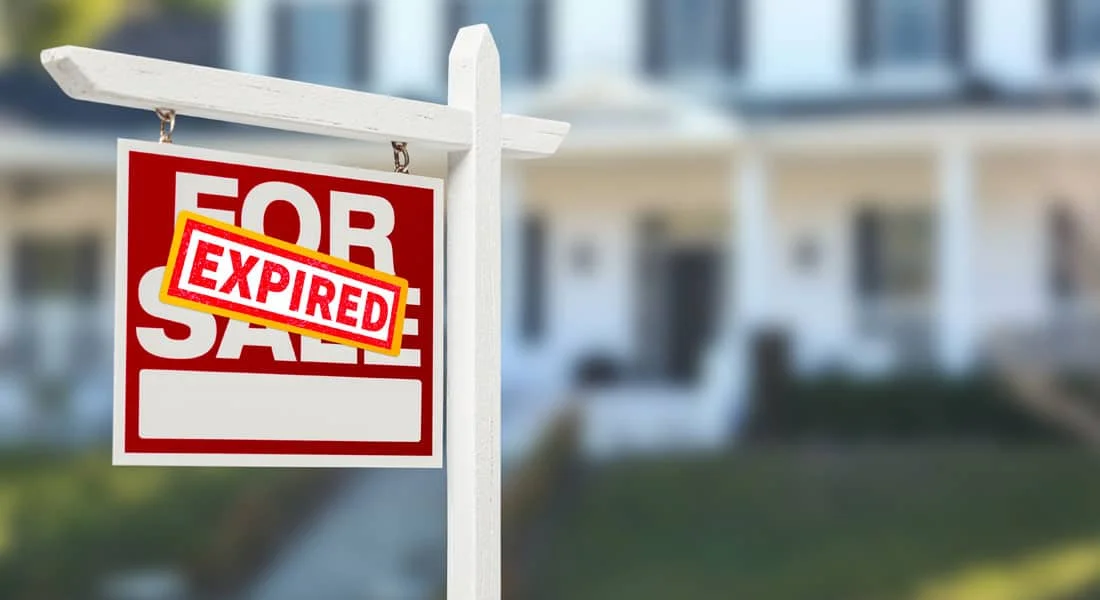
Homes typically fail to sell for a number of reasons. These are some of the most common: 1. The house was priced too high, 2. There was little to no marketing, 3. The condition of the home, or 4. The agent was not a listing specialist . It is often more than one reason at the same time. In The Isles at Weston, a home listed by another agent & sat for nearly ten months with ZERO offers. A year later, in a softer market, I listed the home at the same list price, brought in multiple offers, and closed the sale in 56 days — against a neighborhood average of 115 days on market. Unfortunately, I see more than one reason.
If your home just came off the market without selling, you are not alone and you are not out of options. But you do need to understand what actually happened before you relist, because doing the same thing again with a different agent almost never produces a different result. In 30 years of selling real estate and specically selling real estate for 22 years across Fort Lauderdale, Plantation, and surrounding South Florida markets I have relisted homes that sat for many months or over a year with another agent and closed them quickly. In every case, the failure was explainable and correctable. The question is whether you are willing to hear an honest answer.
What Most Sellers Are Told vs. What Actually Happened
The most common explanation agents give when a listing expires is that the market was slow, the timing was off, or buyers were waiting for rates to come down. Sometimes those factors are real. More often they are a way of explaining away something that was entirely within the agent's control. A home that does not sell during its listing period almost always failed for one of four reasons, usually in combination. Understanding which ones apply to your situation is the only way to fix it.
The Price Was Wrong From the Start
Overpricing is the single most common reason homes expire. And the damage from overpricing is not just that you did not get an offer. It is that the buyers who saw your home in the first two to three weeks — the most motivated, most qualified buyers who were actively searching — decided it was not worth what you were asking and moved on. Those buyers are not coming back. They have already purchased something else or they are waiting for the next new listing to come on the market. By the time a price reduction happens the home carries a stigma. Sophisticated buyers and their agents track days on market. They track price history. When a home has been sitting for 60 or 90 days they do not think the seller finally got reasonable. They think something is wrong with the property. That perception shifts negotiating leverage before a single conversation happens.
A home listed at a premium price point needs to look like a premium home. Buyers who are hundreds of thousand of dollars to millions fo dollars spending are making a decision largely based on what they see online before they ever book a showing. If the photography is flat, if the home was not properly prepared for market, if there are deferred maintenance items visible in the first walkthrough, or if the home presents dated features at a current market price — buyers move on. In South Florida specifically the water side of a property, the condition of the roof, and the insurance profile of the home are variables that buyers scrutinize before they make an offer. A home that has not addressed those variables going into a listing is starting behind.
No Marketing -- Other than MLS
Placing a home in the MLS is not a marketing strategy. It is the minimum. In a market like Fort Lauderdale or Plantation where the buyer pool for a luxury or move-up home frequently includes relocating buyers from the northeast, international buyers, and buyers who are not yet actively searching local inventory, the difference between passive MLS exposure and a proactive marketing campaign is not a minor distinction. It is the difference between your home sitting and your home selling. Professional photography, compelling listing copy, targeted digital advertising, social media exposure, agent-to-agent outreach, and placement on premium listing platforms are not optional extras. They are the standard that qualified buyers in this market expect.
Cellphone photos are not acceptable marketing for any home at any price point. If your listing started this way, it is most likely going to sit on the market. It never represents the home in the best light.
Little to No Communication or Buyer Feedback
One of the biggest frustrations I hear from homeowners is that after every showing, they receive no feedback from their agent. Weeks go by with no offers, and then they're simply told they need to lower the price. Understandably, that leaves many sellers wondering, "Why? What are buyers saying?" A price reduction should never be based on discomfort or a lack of offers alone. It should be based on facts.
That's why buyer feedback is an important part of my selling strategy. After each showing, I actively seek feedback from buyers and their agents to learn what they liked, what concerns they had, how your home compares to others they have seen, and whether price is influencing their decision. This information provides valuable insight and helps us determine whether the issue is pricing, presentation, condition, marketing, or something else.
Obtaining meaningful feedback isn't always easy. It often requires multiple phone calls, text messages, and emails before a buyer's agent responds. It's a time-consuming process, but it's one I believe is worth the effort because the information can be invaluable. The more feedback we receive, the better we can understand how the market is responding to your home and make informed decisions based on facts rather than assumptions.
If the market tells us a price adjustment is needed, it won't simply be me asking you to lower your price. It will be based on consistent feedback from real buyers who are telling us that, at the current price, they're choosing other homes instead. That allows us to make informed decisions based on actual market evidence rather than assumptions or guesswork.
In addition to buyer feedback, you'll receive regular reports showing your home's online activity, including views and buyer engagement, so you'll always know how your property is performing. My goal is to keep you informed every step of the way so that every decision we make is strategic, data-driven, and based on what the market is actually telling us—not on opinions.
The Agent Was Not a Listing Specialist
According to Redfin executive, 71% of licensed agents did not close a single transaction in 2024. Having a real estate license does not equal active market expertise and more specifically listing a home to sell. An agent who primarily works with buyers does not bring the same seller-specific skills, strategy, negotiating experience, marketing expertise, financial resources for marketing expenses, & listing knowledge for your transaction that a dedicated listing specialist does. If your prior agent was managing your listing alongside 10 other active buyers, or if this was one of two or three transactions they closed all year and they were buyer represented transactions, the depth of expertise & focus your home received was probably not what it needed.
Listing a home correctly starts with asking the right questions before it ever goes live in the MLS, not after an offer is already on the table. I have seen a buyer-focused agent skip this step entirely. The seller had a PACE loan on the property and assumed, reasonably, that it would simply stay attached to the home the way some liens do. No one asked. The home went active, received an offer, and moved into the under-contract phase, nearly 30 days in, before the issue surfaced. By then it was too late to plan around it quietly. The seller was not only walking away with no proceeds from the sale. They were being asked to bring over $40,000 in cash to closing, money they did not have, and they were now exposed to a lawsuit for failure to perform on a contract they had already signed in good faith.
That is not a marketing failure. That is a pre-listing conversation that never happened. A qualified listing agent has a series of questions and due diligence steps they walk through with every seller before a home goes live — loans, liens, assessments, title issues, anything that could surface later and derail a closing. Getting a listing agreement signed and never taking that next step is a rookie mistake, and it is exactly what happened here.
Before you sign with anyone new, ask this one question first: how many homes have they personally sold in the past year, and how many of those were sellers rather than buyers? If the honest answer is a handful, or mostly buyer transactions, that is your first red flag. This is a disqualifying question. Ask it before you agree to sit down with an agent, not after, so you are not spending your time meeting with someone who is not equipped to sell your home. There are other questions worth asking once you are in the room, but this one alone will save you time and protect you from making the same mistake twice.
What You Should Do Before You Relist
Do not relist until you have had an honest conversation about all four of these factors. Not just price. You already have the one question that filters out an unqualified agent before you ever sit down with them. Beyond that, ask about the marketing strategy that was actually used, not just promised. Ask what the showing feedback really said, not the summarized version. Ask directly whether the home's condition needs to be addressed before it goes back on the market. And ask what will be different this time, specifically, not a general promise to work harder. If any of those answers are vague, that is not a coincidence. You deserve a straight answer to every one of these before you sign anything.
These are just a few examples of some of the challenges Sellers face when trying to sell their home but I tend to hear them a lot.
Case Study: The Isles at Weston
A home in Isles at Weston, Weston Florida had been listed twice by a previous agent with nearly ten months of combined active market time and zero offers. The sellers reached out to me to ask for my help. They were desperate to sell. I repositioned the home with an updated presentation and targeted marketing campaign. The home received multiple offers and went under contract in 56 days at $1,275,000. The community average days on market at the time was 115 days. The market during this period was softer than the prior two years with declining values in the area.
Same home. Same Price. Softer market. Different strategy. Better result.
What a Relisting Strategy Actually Looks Like
When I take on an expired listing I start by reviewing the showing data and buyer feedback (if available) from the prior listing period, which reveals what buyers actually saw when they walked through the door and why they did not write an offer. I then do a fresh comparable sales analysis — not the one from when the home was originally listed but a current analysis that reflects what has actually closed in the past 60 to 90 days and what is actively competing with your home right now. I give you an honest pricing recommendation based on where the market is today, not where you hoped it would be. Once the listing agreement is signed, I walk the property and tell you specifically what needs to change before we go back to market. And I commit to a marketing plan with specific deliverables, not a general promise to work hard on your behalf.
There Is a Window Here
Every day a home sits off market after an expired listing is a day the next buyer is purchasing something else. Motivated sellers in Fort Lauderdale and Plantation who relist quickly with a corrected strategy are catching a buyer pool that is still active. Sellers who wait six months to relist are often re-entering a different market with different conditions and the same unresolved problems. If your home just expired or is approaching its expiration date, now is the right time to have the conversation.
Call or text 954.882.8900 to schedule a no-obligation consultation. I will tell you honestly what I think went wrong and what it would take to get your home sold. There is no pressure and no sales pitch — just a direct conversation with someone who has been doing this in South Florida for nearly 30 years.
More Seller Resources
How to Choose a Real Estate Agent — The specific questions to ask before you sign a listing agreement, including the one disqualifying question that saves you from wasting time with the wrong agent.
What's My Home Worth — Get an honest picture of where your home stands in today's market based on the specific variables that actually affect its value. Not an algorithm. A real analysis.
Home Seller FAQs — Answers to the most common questions about selling a home in Fort Lauderdale and surrounding South Florida communities.
Selling a Condo in South Florida — Everything a South Florida condo seller needs to know before they list including milestone inspections, reserve funding, HOA financials, financing eligibility, and pricing strategy.
Pricing Your Fort Lauderdale Home — Why the first 14 days on market are your most powerful window and how getting the price wrong costs sellers money before the first showing ever happens.
Preparing Your Home to Sell in Fort Lauderdale Florida — Which preparation decisions protect your equity and which ones cost more than you recover at closing.
Seller Resources — The complete hub for seller guides, tools, and resources for Fort Lauderdale and Plantation homeowners preparing to sell.
Cash Offer — Find out what your South Florida home would sell for in a cash transaction and whether a cash offer makes sense for your specific situation.
Serving Hawks Landing, Plantation, Davie, Weston, Lauderdale-by-the-Sea and Fort Lauderdale & Surrounding Communities | Michele Noonan | Real Estate Agent | Listing Specialist | 55 - Five ★ Reviews | Licensed Since 1996 | Keller Williams | Laurie Reader Team | Call or Text (954) 882-8900


